skip to main contentskip to navigation
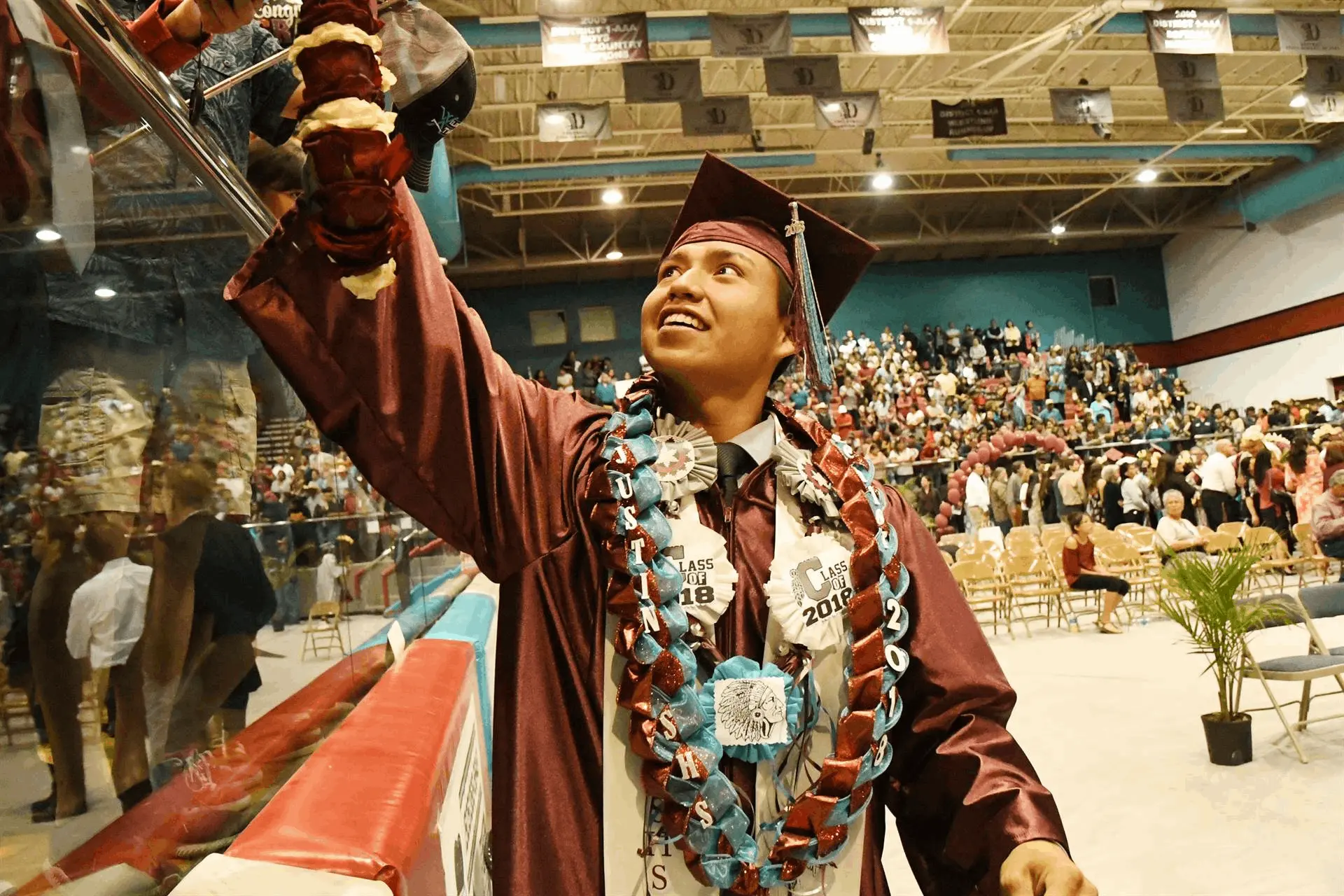
ICO graduation

Welcome to ICO

Mission: We inspire positive communication, collaboration and continued learning with holistic multicultural and multilingual connection for the educational families and communities.

Goals:

  • We will expand growth mindset through strengths and innovative thought.
  • We will provide prompt and accurate assistance at all times.
  • We will be responsive to community input and deliver programs and services that reflect their needs.

The ICO Department was created to address the needs of students and community in the areas of language and culture, Graduate Profile, Community Schools, and Next Step Plans in education. We also have the Safety-Net Program which encompasses the posting of student activities through school websites, and district website, the pantry for students who might need additional assistance on a weekend, and assisting families and students through social emotional pathways. More in-depth services are highlighted under each tab.

ICO graduation
    Cultural Specialist Referral

    Intercultural and Community Outreach Departments will use the documentation to fund this position and program.

    Graduate Profile

    What is Graduate Profile?

    Central Consolidated Schools (CCSD) is asking for community input. We are facilitating discussions with a variety of stakeholder groups to better understand the knowledge, skills, values, and cultural/linguistic competencies high school students should have mastered by the time they graduate in order to succeed in college, career, and life. The findings will help our district make plans regarding policy and practice at all grade levels. Graduate Profile will...

    Define CCSD’s graduates

    • Knowledge
    • Skills
    • Values
    • Culture
    • Language

    For more information, please contact Dr. Louisa Lopez-Martinez at martl@centralschools.org, (505) 368-5177.

    Important Documents

    Homeless Outreach Program for Education (HOPE)

    Federal Definition of a Homeless Child or Youth

    The legal term “homeless children and youth” is based on the McKinney-Vento Homeless Assistance Act is defined as individuals who lack a fixed, regular, and adequate nighttime residence; and includes:

    • Children and youth who are sharing the housing of other persons due to loss of housing, economic hardship, or similar reasons; are living in motels, hotels, trailer parks, or camping grounds due to the lack of alternative accommodations; are living in emergency or transitional shelters; are abandoned in hospitals, or are awaiting foster care placement.
    • Children and youth who have a primary nighttime residence that is a public or private place not designed for or ordinarily used as a regular sleeping accommodation for human beings.
    • Children and youth who are living in cars, parks, public spaces, abandoned buildings, substandard housing, bus or train stations, or similar settings; and
    • Migratory children who qualify as homeless for the purpose of this subtitle because the children are living in circumstances described in clauses (i) through (iii).

    Homeless Students’ Rights

    • Enroll and attend classes while the school arranges for transfer of required school records or documents
    • Enroll and attend classes even while the school and parent seek to resolve a dispute over enrollment
    • Be immediately enrolled in school without a permanent address
    • Go to school, no matter where the student lives or how long he/she has lived there
    • Receive transportation to his/her school or origin as long as he/she is homeless, or if the student becomes permanently housed, receive transportation until the end of the academic school year
    • Have access to the same programs and services that are available to all other students (like free/reduced lunch, ELL, Title I services, Special Education, before and after school care, and gifted services).

    In what ways do liaisons help students?

    • Locate homeless children and youth in their district, make sure they are immediately enrolled and have an equal opportunity to succeed in school
    • Make sure homeless students receive appropriate services, including transportation, preschool, special education, English language learner services, and vocational education.
    • Make referrals to health care services, dental services, mental health services, or other care providers.
    • Assist unaccompanied youth with enrollment, transportation, and disagreements with schools.
    • Help students get immunizations and immunization records.
    • Make sure that disagreements between homeless students and schools are resolved.
    Resources

    CCSD NM Student Residency Form Common Signs of Homelessness Homeless Brochure Referral to LEA Homeless Liaison Serving Students Experiencing Homelessness

    Navajo Regional Behavioral Health Center:

    Office of the Special Education Ombud Flyers:

Students in an ICO program
Student using a VR headset
ICO students in construction program
ICO program student